Construction Waste Disposal in Havering: Sustainable Solutions for a Greener Future
Understanding Construction Waste
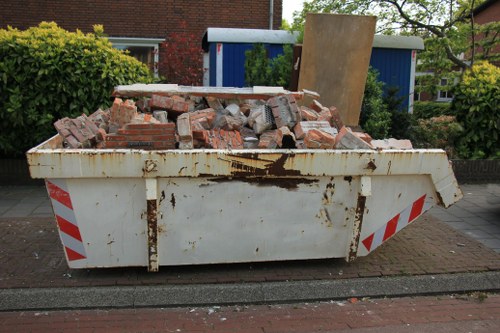
Construction waste refers to unwanted materials generated during the construction, renovation, and demolition of buildings and infrastructure. In Havering, a bustling region with ongoing development projects, effective waste management is crucial to maintain environmental standards and promote sustainability.
Common types of construction waste include concrete, wood, metals, plastics, glass, and hazardous materials like asbestos. Proper disposal not only minimizes environmental impact but also optimizes resource utilization through recycling and repurposing.
Addressing construction waste effectively requires a comprehensive strategy that includes waste reduction, segregation, recycling, and responsible disposal. This approach ensures that Havering remains a clean and sustainable environment for its residents and businesses.
Regulations and Guidelines in Havering

The management of construction waste in Havering is governed by a combination of national regulations and local guidelines. Compliance with these standards is mandatory for all construction projects, regardless of their size.
Key regulations include the Environmental Protection Act 1990, which sets the framework for waste management, and the Waste (England and Wales) Regulations 2011, which outline specific requirements for waste categorization and disposal. Additionally, Havering Borough Council provides localized guidelines to address the unique needs of the area.
Adhering to these regulations ensures that construction waste is handled responsibly, reducing the risk of fines and promoting environmental stewardship within the community.
Waste Disposal Methods
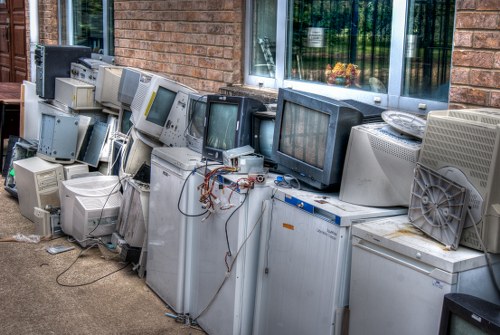
Effective construction waste disposal in Havering involves several methods, each suited to different types of materials. Understanding these methods is essential for contractors and builders to manage waste efficiently.
Landfill Disposal: This traditional method involves transporting waste to designated landfill sites. While straightforward, it is less environmentally friendly due to the long-term impact on land and potential for pollution.
Recycling: Recycling construction waste is a sustainable alternative. Materials like metal, concrete, and wood can be processed and reused in new construction projects, reducing the need for virgin resources.
Recycling Initiatives in Havering

Havering has embraced several recycling initiatives to promote sustainable construction practices. These initiatives aim to reduce landfill dependence and encourage the reuse of materials.
- Local Recycling Centers: Havering provides accessible recycling centers where construction waste can be sorted and processed.
- Construction Recycling Programs: Specialized programs focus on recycling specific materials like asphalt, brick, and timber.
- Incentive Schemes: Financial incentives are offered to contractors who prioritize recycling in their waste management plans.
These initiatives not only contribute to environmental conservation but also offer economic benefits by lowering disposal costs and creating opportunities for material reuse.
Challenges in Construction Waste Management
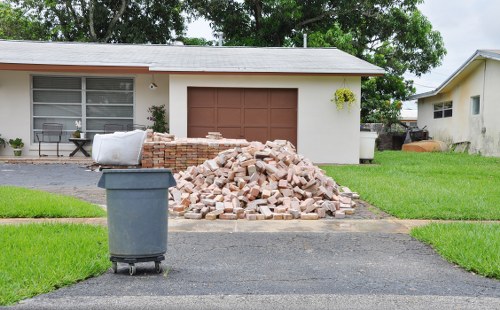
Despite the advancements in waste disposal methods, several challenges persist in managing construction waste in Havering.
- Limited Recycling Facilities: The availability of specialized recycling facilities can be limited, making it difficult to process certain types of waste.
- Cost Constraints: Recycling and proper disposal can be more expensive than traditional methods, posing financial challenges for contractors.
- Lack of Awareness: Awareness about sustainable waste management practices is still growing, and more education is needed within the construction industry.
Addressing these challenges requires collaborative efforts between government bodies, businesses, and the community to enhance infrastructure, provide financial support, and promote education on sustainable practices.
Innovative Solutions for Waste Reduction
To tackle the challenges of construction waste disposal, Havering is adopting innovative solutions that emphasize waste reduction and resource efficiency.
Modular Construction: This method involves constructing buildings in sections, which can reduce waste by minimizing on-site material usage and allowing for better control during the manufacturing process.
3D Printing: Emerging technologies like 3D printing enable precise material usage, reducing excess waste and allowing for the use of recycled materials in construction.
Lean Construction: Implementing lean construction principles focuses on optimizing workflows, reducing waste, and enhancing productivity throughout the construction process.
Benefits of Effective Waste Management
Proper construction waste disposal offers numerous benefits to Havering, its residents, and the environment.
- Environmental Protection: Reducing landfills and promoting recycling helps preserve natural resources and decreases pollution.
- Economic Advantages: Efficient waste management can lower costs for businesses through recycling incentives and reduced disposal fees.
- Community Health: Proper disposal minimizes health hazards associated with improper waste handling, ensuring a safer environment for all.
Ultimately, effective waste management contributes to sustainable development, fostering a healthier and more prosperous community.
Choosing the Right Waste Disposal Service
Selecting a reliable waste disposal service is critical for successful construction projects in Havering. Here are key factors to consider:
- Compliance with Regulations: Ensure the service provider adheres to local and national waste management laws.
- Recycling Capabilities: Choose services that prioritize recycling and offer solutions for various types of construction waste.
- Cost-Effectiveness: Evaluate pricing structures to find a service that fits within your budget without compromising on quality.
- Reputation and Reviews: Research the provider’s reputation through reviews and testimonials to ensure reliability and professionalism.
Partnering with the right waste disposal service ensures that your construction project remains environmentally responsible and compliant with all regulations.
Future Trends in Construction Waste Management
The landscape of construction waste disposal is continually evolving, with new trends shaping the future of waste management in Havering.
Circular Economy: Emphasizing the reuse and recycling of materials to create a closed-loop system where waste is minimized, and resources are continuously cycled.
Digital Tracking: Utilizing technology to track waste generation and disposal, improving transparency and efficiency in waste management processes.
Green Building Standards: Increasingly, construction projects are adhering to green building certifications that mandate strict waste management practices.
These trends highlight a shift towards more sustainable and innovative approaches, ensuring that construction waste disposal in Havering becomes more efficient and environmentally friendly.
Conclusion
Construction waste disposal in Havering is a critical aspect of sustainable development. By understanding the types of waste, adhering to regulations, utilizing effective disposal methods, and embracing innovative solutions, Havering can maintain its commitment to environmental stewardship.
As the region continues to grow, prioritizing responsible waste management will ensure a cleaner, healthier, and more sustainable future for all.
Contact us today to learn more about sustainable construction waste disposal solutions tailored to your project needs in Havering.