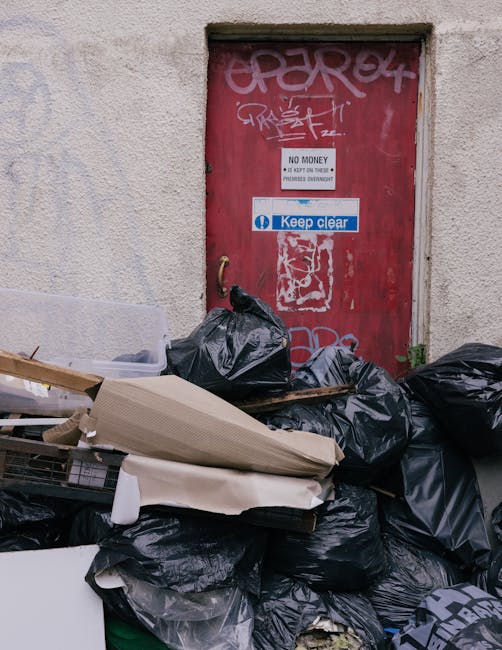
Business rubbish removal for South Hornchurch trading estates
If you manage a unit, workshop, yard, warehouse, or small office on or around South Hornchurch trading estates, rubbish has a habit of building up faster than anyone expects. One day it is a few broken pallets and a bit of packaging, the next it is a stack of redundant stock, mixed waste, and a skip that needs emptying before it starts to get in the way of the work. Business rubbish removal for South Hornchurch trading estates is really about keeping that flow under control without disrupting trade, staff movements, or customer access.
This guide explains how commercial waste removal works, what it is suitable for, which options usually make sense, and how to avoid the usual headaches. We will also look at practical compliance points, comparison options, and the day-to-day realities of operating in a busy trading estate where access, timing, and clean-up all matter. Truth be told, the best waste solution is often the one you barely notice doing its job.
Table of Contents
- Why business rubbish removal matters
- How it works in practice
- Key benefits and practical advantages
- Who needs this service and when it makes sense
- Step-by-step guidance
- Expert tips for better results
- Common mistakes to avoid
- Tools, resources and recommendations
- Law, compliance, standards and best practice
- Options, methods and comparison
- Case study or real-world example
- Practical checklist
- Conclusion
- Frequently asked questions
Why business rubbish removal for South Hornchurch trading estates matters
On a trading estate, waste is not just an eyesore. It can get in the way of deliveries, make a yard awkward to manoeuvre, and create a poor first impression for visitors, customers, or contractors. In practical terms, rubbish that sits around too long can also attract pests, block fire exits, and make day-to-day work slower than it should be. Nobody wants to drag a trolley around a pile of flattened boxes at 7:30 in the morning. Not ideal.
South Hornchurch trading estates typically deal with a mix of office waste, packaging, construction offcuts, broken fixtures, pallets, confidential paper, and occasional bulky items. Different waste streams behave differently. Cardboard is easy enough. Mixed builders waste, not so much. If you simply throw everything together, removal becomes less efficient and recycling opportunities are often lost.
There is also a reputation point that business owners sometimes underestimate. A tidy yard and clear loading area tell staff, suppliers, and clients that the site is managed properly. That matters whether you run a small trade counter, a light industrial unit, or a shared premises with multiple occupiers.
Expert summary: Good business rubbish removal is not only about taking waste away. It is about keeping operations smooth, protecting access, reducing clutter risk, and making sure the right materials are handled in the right way.
How business rubbish removal for South Hornchurch trading estates works
The process is usually simpler than people expect, but the details matter. Most commercial waste jobs start with identifying what needs removing, where it is stored, and how much access the collection vehicle will have. On a trading estate, that last part can be the difference between a quick pickup and a frustrating delay. Tight turning circles, parked vans, delivery schedules, and shared entrances all come into play.
In many cases, the service can be arranged as a one-off clearance, a recurring collection, or a same-day removal where timing is tight. The right choice depends on the type of business waste you have and how fast it needs to go. For example, a fit-out project may need a larger, short-term solution, while a small warehouse might only need regular removal of packaging and general rubbish.
Some businesses prefer a container-based approach such as commercial skip hire, especially when waste builds steadily over several days. Others need a direct collection or mixed-load clearance, which is where a service like rubbish removal or man and van style collection can be more practical. If access is awkward or the load needs to be removed fast, wait and load skip hire can be a very neat option because the vehicle stays only long enough to load and go.
In real life, the decision often comes down to logistics. Do you have room for a skip? Can staff load waste safely? Is the waste mixed? Does it include anything specialist, such as appliances, confidential materials, or potentially hazardous items? Those questions guide the method more than the postcode does, although local access patterns in South Hornchurch certainly shape the plan.
Key benefits and practical advantages
There is a strong practical case for using a reliable commercial waste service rather than letting rubbish build up and become a problem later. To be fair, most business owners already know this, but it helps to spell it out.
- Better site safety: fewer trip hazards, fewer blocked walkways, and less clutter around loading bays.
- Faster operations: staff can move materials, stock, and tools more easily.
- Cleaner first impressions: a tidy estate unit looks organised and professional.
- More space: reclaim corners of workshops, yards, and storage rooms that had quietly disappeared under waste.
- Improved compliance: correct handling helps businesses avoid avoidable issues with controlled waste duties and site safety.
- Potential recycling gains: sorting recyclables properly can reduce the amount going to disposal.
There is also a workflow benefit that gets missed quite often. When waste is removed on a schedule that matches the business rhythm, staff spend less time making ad hoc decisions about where to leave things. That small thing matters. Once a site gets cluttered, it tends to stay cluttered until someone makes a proper plan.
And honestly, a clean yard on a wet Tuesday in South Hornchurch just feels better. You notice it the moment you pull in. Less stress, less shuffling around, less "we'll deal with that later."
Who this is for and when it makes sense
Business rubbish removal for South Hornchurch trading estates suits a wide range of organisations. It is not just for large industrial sites. In fact, smaller and mid-sized businesses often benefit the most because they rarely have spare time or space to waste. If rubbish starts getting in the way of trading, the service makes sense.
Typical users include:
- workshops and light industrial units
- retail stores with rear storage or regular packaging waste
- offices needing clear-out support or archive disposal
- builders and contractors working from an estate yard
- showrooms replacing fixtures, displays, or stock
- shared commercial units with multiple waste types
It makes sense when you have:
- a one-off clear-out after a move, refit, or contract end
- regular waste volumes that are too awkward for standard bins alone
- bulky items that are hard to move internally
- mixed waste that needs sorting before disposal
- time pressure and a limited window for collection
A small workshop, for example, may only need occasional removal of timber offcuts, packaging, and broken stock. A busier storage unit might need routine collections every week or two. Different business, different pattern. Simple as that.
Step-by-step guidance
If you want the process to run smoothly, it helps to think about it in stages rather than as a last-minute tidy-up. Here is a practical way to approach it.
- Identify the waste types. Separate general rubbish, cardboard, wood, metals, fixtures, electricals, and any specialist items. If you are unsure, err on the side of caution and keep unusual items aside.
- Estimate the volume. A rough visual estimate is fine to start with. Is it a handful of sacks, a half-full yard area, or enough for a full vehicle load? This helps determine whether a skip, direct collection, or larger clearance is best.
- Check access. Measure gate widths, note low branches or tight corners, and think about where vehicles can stop without disrupting neighbours or deliveries.
- Choose the right method. A scheduled commercial skip, same-day collection, or grab-style service each suits different site conditions. If staff are loading waste themselves, allow for safe lifting and enough space to work.
- Prepare the waste. Flatten cardboard, bundle similar materials together where possible, and keep prohibited or uncertain items separate.
- Book the collection. Pick a time that avoids delivery peaks, shift changes, or customer traffic. Early morning tends to work well for many estates, though not every site is the same.
- Load and confirm the handover. Make sure the waste handed over matches what was described. Good communication matters here, because mixed loads can alter the plan quickly.
If the site is busy, a little coordination goes a long way. One person on the ground, one clear loading point, and no surprises. It sounds obvious, but it saves a lot of faff.
Expert tips for better results
After enough commercial clearances, you start to notice the small things that save time and money. Here are the habits that tend to work best.
- Sort waste before collection. Cardboard, clean timber, general mixed waste, and metal should not all be treated the same if you can help it.
- Protect the walkway. If waste has to move through an office or customer area, put down temporary floor protection where sensible.
- Use the right container size. Too small and you create repeat costs; too big and you pay for space you do not need.
- Keep a simple waste log. Even a basic note of what went out and when can help with auditing and recurring planning.
- Book before the pile gets serious. Waste always looks smaller on Monday than it does by Friday afternoon. Funny how that works.
- Ask about recycling routes. A good provider should be able to explain what happens to common material streams.
One overlooked tip is timing around incoming stock. If a delivery is due at 9:00 and the waste team arrives at 8:45, that can turn a tidy solution into a three-way bottleneck. Better to leave breathing room. You will notice the difference immediately.
Common mistakes to avoid
Most issues with business rubbish removal are not dramatic. They are just avoidable. And in fairness, they usually happen when people are rushing.
- Leaving waste sorting until collection day. That slows everything down and often creates extra handling.
- Underestimating volume. Mixed commercial waste expands in place, especially when boxes, packaging, and broken fittings are involved.
- Ignoring access restrictions. A vehicle that cannot reach the site properly will always make the job harder.
- Mixing specialist items with general rubbish. Appliances, confidential paperwork, and potentially hazardous materials may need separate treatment.
- Booking too late in the day. Trading estates are busy places, and collections often work better with a bit of planning.
- Assuming all waste is the same. It is not. A few minutes spent sorting can prevent a lot of unnecessary expense and delay.
A common one is the "we'll just shove it in this corner for now" approach. Everyone has seen it. The trouble is, corners have a way of becoming permanent storage. Then people stop seeing the mess, which is somehow worse.
Tools, resources and recommendations
You do not need a complicated toolkit to manage business waste well. Most of the value comes from simple organisation and the right service choice. Still, a few practical tools help.
- Heavy-duty sacks or bins: useful for recurring light commercial waste.
- Pallet wrap and straps: helpful for bundling timber, packaging, or mixed loose items safely.
- Labelling system: mark cardboard, scrap, confidential paper, and general waste clearly.
- Basic measuring tape: handy when estimating container size or access width.
- Site plan or simple sketch: useful for larger yards or shared trading estate access points.
For businesses needing a broader disposal solution, waste recycling services can be a good fit when the goal is to reduce what goes to disposal and handle common materials more intelligently. If the waste includes bulky items from an office, store, or back room, office clearance may be more appropriate than a standard one-off collection. And for sites dealing with heavy rubble, spoil, or other dense material, grab hire services are often worth considering.
For businesses that need a quieter, more controlled clear-out, especially around sensitive documents or a move-out, it can also help to look at confidential shredding alongside broader waste planning. That keeps paper waste from becoming an afterthought.
Law, compliance, standards and best practice
Commercial waste handling in the UK comes with responsibilities, and businesses should be careful not to treat rubbish as something to hand off casually and forget. Exact obligations depend on the type of business waste involved, but the general expectation is that you store it safely, transfer it to an authorised carrier, and keep records where appropriate.
It is good practice to check that the provider you use can explain how waste is handled, what happens to recyclable materials, and how specialist items are managed. If your site produces materials that may be classed as hazardous or require special handling, such as certain chemicals, contaminated items, or specific industrial residues, those should be identified clearly before collection. Do not guess. If there is doubt, ask.
Health and safety also matters. On trading estates, vehicles, forklifts, pedestrians, and loading activity can all overlap. That is why safe set-down areas, sensible timing, and clear communication are part of the service, not an optional extra. You can also review a provider's health and safety policy and insurance and safety information if you want added reassurance before booking.
For many businesses, best practice means keeping waste separate where possible, using a documented collection method, and avoiding ad hoc pile-ups that can interfere with exits or shared access routes. If you are unsure about a material, treat it cautiously until it is confirmed. That is the sensible route. Always has been.
Options, methods and comparison table
Choosing the right method depends on how much waste you have, how fast it needs clearing, and what the site can physically handle. Here is a simple comparison to help you think it through.
| Method | Best for | Strengths | Possible drawbacks |
|---|---|---|---|
| Commercial skip hire | Ongoing waste, larger volumes, site-based loading | Good for repeated loading, flexible for many trades | Needs space and may require permits depending on placement |
| Rubbish removal / man and van | One-off clearances, bulky mixed items, fast turnaround | Less site disruption, often convenient for awkward loads | Not always ideal for heavy continuous waste streams |
| Wait and load | Tight access, no room for a skip, fast clearances | Very efficient where parking and time are limited | Requires the waste to be ready when the vehicle arrives |
| Grab-style collection | Heavy or bulky material in accessible outdoor spaces | Useful for mixed heavy loads and rapid removal | Access and reach still need to suit the vehicle |
One thing to remember: the cheapest-looking option is not always the cheapest once labour, delays, and repeat trips are counted. For a South Hornchurch trading estate site, access often decides more than the headline price. If the collection can happen in one clean visit, that is usually worth a lot.
For businesses that want to compare container sizes or expected cost bands before booking, skip sizes and prices is useful background. If your site has limited room, enclosed and lockable skip hire may be worth exploring for tidier storage and added control.
Case study or real-world example
Picture a small mixed-use unit on a South Hornchurch trading estate. The tenant has just finished a stock reset after a busy trading period. There are cardboard cartons, damaged shelving, broken packaging bands, a few old fixtures, and some leftover office clutter from the back room. Nothing dramatic, but enough to make the unit feel tight and messy.
At first, the team considers just stacking everything in the yard and dealing with it later. You can probably guess how that goes. The pile starts in one corner, then spreads. Staff have to walk around it. A delivery arrives. Someone trips over a loose strap. Suddenly the "quick tidy" becomes a small operational nuisance.
Instead, the business books a planned clear-out. The waste is sorted into cardboard, mixed rubbish, and a few bulky items. Access is checked the day before. Collection happens early, before the main delivery window, and the site is back to normal by lunchtime. The unit feels bigger immediately. More importantly, staff can get on with the day without stepping around clutter every few minutes.
That is the real value here. Not just removal, but relief. The job disappears quietly and the business gets its space back.
Practical checklist
Use this quick checklist before arranging a collection. It is simple, but it saves a fair bit of back-and-forth.
- Identify the main waste types on site
- Separate anything unusual, hazardous, confidential, or electrical
- Estimate the volume as accurately as you can
- Check vehicle access, entrances, and any height or width limits
- Confirm loading space and a safe handover area
- Choose the best method for the volume and timing
- Clear a route for staff and collection teams
- Keep documents or special items apart from general waste
- Book a slot that avoids peak operational times
- Review how recyclable materials will be handled
If you can tick all of those off, the collection day usually runs much more smoothly. And if one or two points are unclear, that is fine. Better to ask now than untangle problems on the day.
Get a free quote today and see how much you can save.
Conclusion
Business rubbish removal for South Hornchurch trading estates works best when it is treated as part of site management, not as an afterthought. The right approach keeps your unit safer, cleaner, and easier to run. It also helps you avoid the familiar mess of last-minute clear-outs, blocked access, and waste that has sat too long in the wrong place.
Whether you need a one-off clearance, an ongoing collection plan, or a method that fits awkward access, the main goal is the same: remove the waste without disrupting the business. That sounds simple, but in a busy estate environment it makes a real difference. And once the clutter is gone, you feel it straight away.
If you are planning a clear-out soon, start with the waste types, the access, and the timing. The rest gets much easier from there. A tidy site has a calmer feel to it, and honestly, that matters more than people admit.
Frequently Asked Questions
What is the best option for business rubbish removal on a South Hornchurch trading estate?
The best option depends on your waste type, volume, and access. A commercial skip suits ongoing loading, while rubbish removal or wait and load often works better for one-off clearances or tight sites.
Can I mix different types of commercial waste together?
Sometimes yes, but it is usually better to separate materials where possible. Cardboard, timber, metal, and general rubbish are often easier to handle when sorted first, and some specialist items need separate treatment.
Do I need a skip permit for a trading estate?
It depends on where the skip is placed and who controls the land. If it sits entirely on private land, a permit may not be needed. If it has to go on a public road or other regulated area, different rules may apply. Always check before booking.
What happens to the waste after collection?
That varies by material type and provider process, but commercial waste is typically sorted for recycling, recovery, or disposal. A good provider should be able to explain the general route for the waste you hand over.
How quickly can business waste be collected?
In many cases, collections can be arranged quickly, sometimes even same day if availability and access line up. The earlier you book, the easier it is to secure the best time slot.
Is business rubbish removal suitable for small units as well as large estates?
Yes. Small units often benefit a lot because they rarely have spare space for waste to sit around. Even a modest clear-out can free up room and improve day-to-day movement.
What should I do with confidential paper or records?
Keep them separate from general waste and use a secure disposal route. Confidential shredding is a better option than simply putting paper into mixed rubbish.
Can bulky items like sofas, fridges, or office furniture be removed?
Usually yes, but some items need specific handling. Bulky office furniture, appliances, and similar items are often best removed as part of a planned collection so they can be managed correctly.
How do I know if my waste counts as hazardous?
If it contains chemicals, contaminated materials, certain industrial residues, or items that could pose a risk during handling, treat it cautiously. When in doubt, do not assume it is general waste. Ask for proper advice first.
What is the difference between skip hire and rubbish removal?
Skip hire gives you a container on site for loading over time, while rubbish removal usually means a team comes, collects the waste, and takes it away in one visit. The right option depends on space, timing, and waste type.
How can I keep costs under control?
Sort waste before collection, estimate volume realistically, and choose the method that suits the site rather than defaulting to the most obvious one. Clear access and careful planning can prevent avoidable extra charges.
Is it worth planning regular waste collections for a trading estate business?
If waste builds up every week or affects operations, regular collections are often worth it. They reduce clutter, help staff stay organised, and prevent the messy peaks that happen when removal is left too long.
For a trading estate business, the best waste plan is usually the one that feels invisible on a busy day and dependable when it matters. That is the sweet spot, really.